
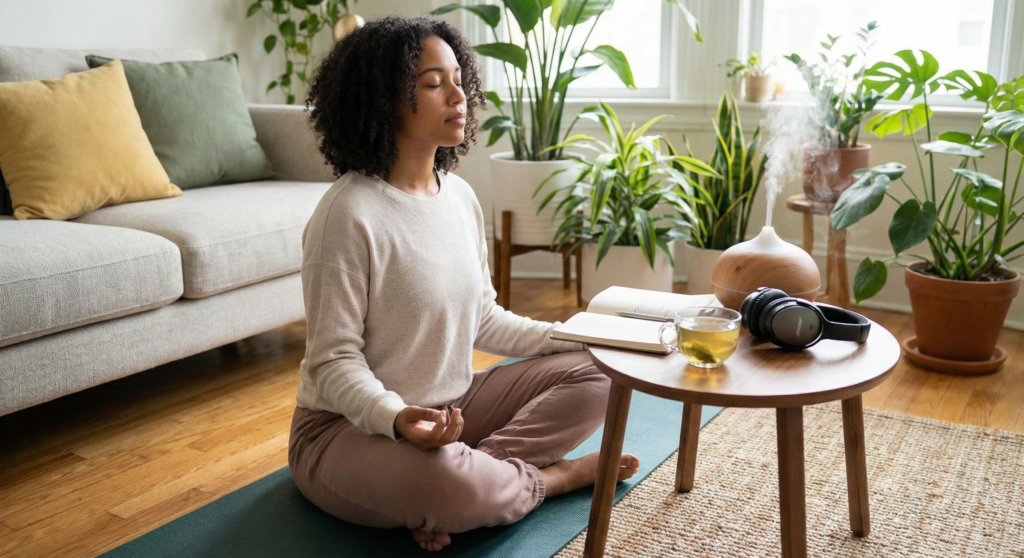
The Best Relaxation Techniques for Stressful and Tense Days
Modern life moves fast. Deadlines, notifications, family duties, and constant information can feel overwhelming. Many women carry stress quietly while trying to stay productive and positive.
But chronic stress affects more than mood. It can disturb sleep, digestion, hormones, energy levels, and focus. The good news? Simple relaxation techniques can calm your body and reset your mind. Small daily steps can create real change.
This guide will show you practical, science-based stress relief methods you can use at home, at work, or anywhere.
Why Relaxation Techniques Matter for Your Health
When you feel stressed, your body activates the “fight-or-flight” response. Stress hormones like cortisol and adrenaline rise. Your heart beats faster. Muscles tighten. Breathing becomes shallow.
This response is helpful in emergencies. But when it stays active for too long, it can lead to:
- Poor sleep
- Hormonal imbalance
- Digestive issues
- Mood swings
- Low energy
Daily stress management helps switch your body back to a calm state. Relaxation techniques lower cortisol, slow your heart rate, and relax tense muscles. Over time, they improve both mental and physical health.
If you want to understand how stress affects digestion, read our guide on gut health and stress on eclatava.com. The connection is stronger than many people think.
The Best Relaxation Techniques for Stressful Days
Below are powerful and easy calming techniques for anxiety and tension. Each one is simple to practice.
Deep Breathing Exercises
What it is:
Slow, controlled breathing that activates your body’s relaxation response.
Why it works:
Deep breathing stimulates the vagus nerve. This lowers heart rate and reduces stress hormones.
How to practice:
- Sit comfortably.
- Inhale slowly through your nose for 4 seconds.
- Hold for 4 seconds.
- Exhale slowly through your mouth for 6 seconds.
- Repeat for 3–5 minutes.
When to use it:
Before meetings, during traffic, or before bed.
This is one of the fastest ways to reduce stress naturally.
Progressive Muscle Relaxation
What it is:
A tension relief exercise that involves tightening and relaxing muscle groups.
Why it works:
Stress causes hidden muscle tension. This method teaches your body the difference between tension and relaxation.
How to practice:
- Start with your feet.
- Tighten the muscles for 5 seconds.
- Release slowly.
- Move upward through legs, abdomen, shoulders, and face.
When to use it:
At night to improve sleep or after a long workday.
Pair this with our sleep improvement tips on eclatava.com for better results.
Mindfulness Meditation
What it is:
Paying attention to the present moment without judgment.
Why it works:
Mindfulness reduces overthinking and calms the nervous system. Studies show it lowers anxiety and improves emotional control.
How to practice:
- Sit quietly.
- Focus on your breathing.
- When your mind wanders, gently bring it back.
- Practice for 5–10 minutes.
When to use it:
Morning to start calm, or evening to unwind.
Gentle Stretching or Yoga
What it is:
Slow movements combined with breathing.
Why it works:
Stretching releases physical tension and increases blood flow. It also lowers cortisol levels.
How to practice:
- Neck rolls
- Shoulder stretches
- Forward fold
- Child’s pose
Just 10 minutes can help.
Explore simple home workouts on eclatava.com to support both mental and physical wellness.
Walking in Nature
What it is:
A slow walk outdoors, preferably in green spaces.
Why it works:
Nature reduces stress hormones and improves mood. Fresh air and sunlight support hormonal balance.
How to practice:
- Walk for 15–20 minutes.
- Leave your phone in your pocket.
- Focus on sounds and scenery.
When to use it:
Lunch break or late afternoon reset.
Journaling
What it is:
Writing your thoughts and feelings on paper.
Why it works:
Journaling helps process emotions and reduce mental clutter. It improves clarity and emotional control.
How to practice:
- Write for 5–10 minutes.
- Don’t edit yourself.
- Focus on what you feel and what you need.
When to use it:
Before bed or after a stressful event.
Listening to Calming Music
What it is:
Soft, slow-tempo music designed to relax the mind.
Why it works:
Music influences brain waves and lowers heart rate.
How to practice:
- Use instrumental or nature sounds.
- Listen for 10–15 minutes with eyes closed.
When to use it:
During breaks or while preparing for sleep.
Digital Detox Breaks
What it is:
Intentional breaks from screens and social media.
Why it works:
Constant notifications keep your brain in alert mode. Reducing screen time lowers mental overload.
How to practice:
- Turn off notifications.
- Avoid screens 1 hour before bed.
- Create phone-free meals.
Read our digital detox guide on eclatava.com to build healthier tech habits.
Warm Shower or Bath Ritual
What it is:
A warm water relaxation routine.
Why it works:
Warm water relaxes muscles and improves circulation. It signals the body to slow down.
How to practice:
- Add calming scents like lavender.
- Breathe deeply while showering.
- Focus on the sensation of warmth.
When to use it:
Evening wind-down routine.
Guided Visualization
What it is:
Imagining a peaceful place or calming scenario.
Why it works:
Your brain responds to imagined experiences similarly to real ones. Visualization reduces anxiety and lowers stress hormones.
How to practice:
- Close your eyes.
- Imagine a calm beach or forest.
- Focus on details: sounds, colors, smells.
When to use it:
Before sleep or during high-pressure moments.
Quick 5-Minute Stress Reset Routine
Short on time? Try this daily stress management mini-plan:
- 1 minute of deep breathing
- 1 minute shoulder and neck stretch
- 1 minute mindful awareness
- 1 minute gratitude reflection
- 1 minute positive affirmation
Five minutes can reset your nervous system and improve focus.
Common Stress Habits That Make Things Worse
Some habits increase tension without you noticing.
Excess Caffeine
Too much caffeine raises cortisol and increases anxiety. Replace one cup with herbal tea or green tea.
Poor Sleep
Lack of sleep makes stress harder to handle. Create a calming bedtime routine.
Constant Phone Scrolling
Endless scrolling overstimulates your brain. Try digital detox breaks daily.
Skipping Meals
Low blood sugar increases irritability and fatigue. Add balanced meals and superfoods for energy to support stable mood.
Learn more about hormonal balance and energy nutrition on eclatava.com to support your stress recovery naturally.
Stay Connected with Eclatava
If this guide helped you, explore more wellness resources at eclatava.com.
Follow Eclatava on social media for daily stress relief tips, healthy routines, and simple lifestyle ideas. Share this article with a friend who needs a calmer day.
Small changes, practiced consistently, create lasting results.
Conclusion
Stress is part of modern life. But it does not have to control you.
With the right relaxation techniques, you can calm your body, clear your mind, and protect your long-term health. Start with one method today. Keep it simple. Stay consistent.
Your well-being matters.
Feel better. Live healthier. Every day.